Kilburn removals in Kilburn
Kilburn removals in Kilburn should feel organised, careful and straightforward from the first conversation through to the final box being set down. Our main service is the planned movement of household and small business contents, with work shaped around access, item size, packing needs and the route between properties. We focus on practical moving support that helps people get furniture, boxes and fragile belongings from one place to another with as little disruption as possible.
That can include lifting and carrying, loading, transport and unloading, together with support for awkward items that need more than a simple van trip. We also work with customers who want a fuller moving plan, where packing, protection and timing matter as much as the journey itself. If you are comparing removal options, it is sensible to look at what is included, how items are handled and whether the service matches the size and layout of the property.
For a quotation, send through the key moving details and ask what would suit your property, your contents and your schedule. If you are ready to compare options, you can start with a plain enquiry today.
House removals planned around your property
House removals need more than muscle. They benefit from a clear plan for rooms, fragile possessions, access points and any items that should be moved separately. A sensible removal service looks at the shape of the job first: whether the property is a flat, terrace or larger family home, whether there are stairs or restricted parking, and whether certain belongings need special care. That planning helps reduce delays and keeps the move more orderly.
When we handle household moves, the aim is to keep the process manageable at each stage. Heavy furniture can be dismantled if required, boxed items can be grouped by room, and protective wrapping can be used for surfaces that are easy to mark. House removals are often most efficient when the customer and mover agree which pieces need extra attention, which can travel together and which should be loaded last for easier access at delivery.
The best results usually come when the move is broken into clear tasks rather than treated as one large lift. You can separate fragile items, bulky furniture and everyday boxes so the removal team has a better understanding of what needs protection and how the load should be arranged. If you are preparing a family move, it also helps to keep essentials aside so they are easy to reach when you arrive.
Flat removals, stairs and tighter access

Flat removals often involve shared entrances, upper floors, narrow hallways and less forgiving parking arrangements. Those details matter because they affect carrying routes, loading order and the time needed to move items safely. A good flat removal service is built around the building layout as well as the contents, so the moving plan fits the space rather than forcing a one-size-fits-all approach.
Smaller homes can still contain difficult items such as wardrobes, bed frames, mirrors, desks and appliances. Flat removals work best when there is a sensible division between items that can travel boxed together and pieces that need careful handling or wrapping. Where access is limited, the order of collection becomes important, and it is often worth deciding in advance which items need to be moved first from upper floors or tight corridors.
For customers in flats, preparation is often about making the move physically simpler, not more complicated. Clear access, labelled boxes and an agreed loading sequence can save time on the day and reduce the chance of confusion when several rooms or levels are involved. A balanced plan also helps protect common areas, which is particularly useful where shared stairwells or lifts are part of the route.
Packing and unpacking support for a smoother move
Packing services are useful when time is limited, contents are fragile or a property contains mixed item types that are difficult to organise quickly. The purpose is not simply to put objects into boxes, but to group them properly, protect breakables and create a load that can be stacked and moved without unnecessary risk. Good packing can make the later unloading and room placement much easier.
Our packing and unpacking services are suited to people who want more help than transport alone. Packing may involve wrapping glassware, cushioning ornaments, preparing kitchenware and separating items that should not sit against heavier belongings. Unpacking can then be approached room by room so essentials are dealt with first and the rest of the contents can be restored in a sensible order. This is especially useful when a move needs to happen around work, family routines or limited access time.
If you prefer to do some preparation yourself, you can still make the process easier by keeping similar items together and avoiding overfilled boxes. Well-prepared packing reduces strain on the moving day and helps the team move more confidently through the property. It also makes it simpler to identify anything that needs extra handling, such as delicate items, loose fittings or pieces that should not be stacked underneath heavier loads.
Furniture removals and careful lifting
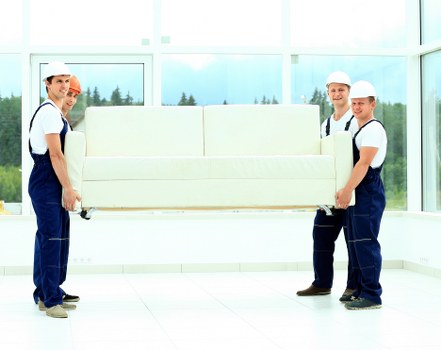
Furniture removals require attention to size, weight, finish and access. A table, wardrobe or sofa may seem straightforward, but it can become awkward once stairs, door frames, turns and narrow entrances are involved. The work is not just about getting an item onto a vehicle; it is about protecting the furniture and the property it passes through while keeping the move efficient.
Furniture removals can include dismantling where necessary, wrapping surfaces that scratch easily and handling large items in a way that keeps them stable during transport. Some belongings may need two-person lifting, while others are better moved only after the route has been cleared. The practical question is often whether an item can be taken through the route intact or whether it is wiser to reduce its size first.
If you have a mixture of standard furniture and heavier pieces, it helps to identify them early. Beds, wardrobes, dining sets and storage units often determine how the vehicle is loaded and which items can be moved first. A considered approach also keeps the move more controlled in homes where flooring, walls or stair edges could be marked if the handling is rushed.
Commercial moves for offices and workspaces

Commercial moves need a different rhythm from domestic removals because the priority is often continuity as well as transport. Desks, chairs, filing, electronics and meeting room furniture all need to be moved in a way that keeps the business organised. The service should be planned around work patterns, access restrictions and the amount of equipment that must be kept in the right order.
Our commercial moves cover the practical side of relocating work premises, whether that means a single office, a shared workspace or a larger internal relocation. Careful labelling and staging are particularly helpful when items must be returned to specific rooms or desks at the other end. For business moves, it is often the order of removal that matters as much as the physical lifting, especially where sensitive equipment or important files are involved.
Useful preparation for a commercial move usually includes deciding which items are surplus, which are essential and which can be transferred in stages. That makes it easier to plan loading, protect equipment and keep the relocation more structured. If you are moving a workplace, it is sensible to ask for a quotation that reflects the amount of furniture, the amount of packing and the level of handling the job is likely to need.
Office relocation services for equipment and records
Office relocation services are about more than moving desks and chairs. They are also concerned with the handling of work equipment, documents, storage furniture and the small items that make a workspace functional. A well-managed office move needs a clear sequence so that boxes, devices and furniture all arrive in a usable order rather than as an unplanned pile of contents.
Office relocation services are useful where a business needs a move that respects layout, access and item priority. Workstations may need to be dismantled before transport, while printers, monitors and associated accessories should be grouped carefully so they can be reassembled with less confusion. The practical goal is to preserve order, not just move weight from one building to another.
The most helpful information at quotation stage is usually a simple outline of what must be moved and any access challenges at either end. That can include floor level, lift use, parking restrictions and whether the office contains fragile or confidential items that need special care. If the move includes both furniture and files, it is worth planning the sequence so essential items are not buried at the back of the load.
Same-day removals and short-notice moving
Same-day removals are often needed when plans change quickly or a property handover leaves limited time to move contents. In those situations, efficiency matters, but so does sensible judgement about what can realistically be collected and delivered in the available window. A short-notice move works best when the items are grouped clearly and the access arrangements are straightforward.
Same-day removals can be suitable for smaller loads, urgent relocations or collections that need to happen quickly without unnecessary complexity. The key is to understand the amount of furniture, the number of boxes and whether packing is already complete. A realistic approach helps avoid overcommitting and keeps expectations aligned with what can be done in the time available.
If you are arranging a quick move, focus first on the items that must travel immediately and set aside anything non-essential for later. Time saved on sorting is often time gained on delivery, particularly where access is limited. It is also sensible to have the basics ready: keys, contact details, and a clear note of any items that need to be handled separately from the main load.
About Kilburn
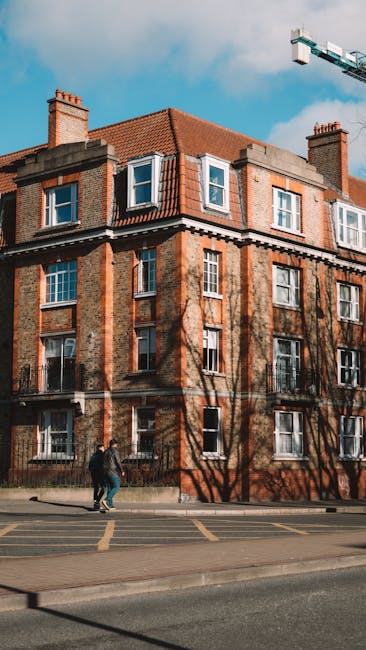
Kilburn is an area in north-west London that sits across parts of the London Boroughs of Brent, Camden and Westminster, giving it a varied identity shaped by different administrative boundaries and long layers of urban development. The name has medieval origins and is associated with the Kilburn Priory, a religious house established in the 12th century beside the former Kilburn stream, which gave the district its early character. Although the watercourse is now largely culverted, the historical line of the stream still helps explain the area’s shape and old route patterns. Kilburn High Road remains one of its best-known thoroughfares, lined with shops, transport links and buildings that reflect successive waves of change. The area also has strong cultural associations, especially with Irish heritage, music venues and the long-standing presence of independent businesses. Nearby Queen’s Park adds open green space, while Kilburn Grange Park provides a more local park setting with sports facilities and gardens. Architecturally, the district is a mix of Victorian and Edwardian terraces, later mansion blocks and post-war development, with many streets showing the compact, dense grain typical of inner London. Transport is an important part of Kilburn’s identity, with Kilburn, Kilburn Park and Brondesbury stations helping connect the district to the wider city.
Storage, student moves and flexible timing

Not every move ends with everything going straight into the final property. Sometimes the better choice is to move items in stages, hold some contents temporarily or keep belongings apart while plans settle. Storage can be useful when there is a gap between moving out and moving in, or when only part of a property is ready to receive furniture. It is also helpful when seasonal items, archive boxes or spare furniture should not take up space in the main home.
Student removals are usually smaller, but they can still involve awkward timing, mixed luggage and furniture that is bigger than the room it came from. Student removals are often most efficient when the load is compact and clearly sorted, with bedding, books, kitchen items and furniture grouped in a way that makes unloading quick. The same careful approach applies whether the move is across town or between halls, a flat and a family home.
When the schedule is tight, flexibility matters as much as vehicle size. A move that includes temporary storage, a staged delivery or a smaller collection first can be easier to manage than trying to do everything in one rush. This is where a clear quotation request helps, because it allows the mover to match the service to the exact volume and timing involved.
Piano removals and specialist handling

Some items call for specialist care because they are heavy, delicate and expensive to damage. Piano removals are a good example: the instrument’s weight, shape and internal components mean it should not be treated like ordinary furniture. The job needs planning for access, lifting points, protection and the route through the property, whether the piano is upright or another type.
Piano removals are best approached with patience and a clear understanding of the item’s position in the home. Floors, doorways and staircases may all need consideration before movement begins, and the surrounding furniture often has to be shifted first. Because pianos can be awkward to grip and sensitive to movement, correct handling is as important as transport itself.
If your move includes a piano alongside household contents, it can be helpful to separate it from the general load so its handling requirements remain clear. The same principle applies to other awkward items that need extra attention, such as large framed pieces or unusually heavy furnishings. A quotation request should mention these items early so the service can be planned properly rather than adjusted at the last minute.
Quotation planning, insurance and service choices
Pricing for removals depends on the details of the job rather than a simple one-line answer. Item volume, access, packing needs, distance and the number of people required can all affect the cost of a move. It is also important to distinguish between transport only and a fuller service that includes packing, dismantling or additional handling, because the scope of work changes the level of preparation involved.
For a useful quotation, give a clear summary of the contents, the property type and any difficult access such as stairs, narrow streets or limited parking. Pricing and quotes is the right place to look if you want to understand how estimates are prepared, while insurance and safety explains the approach to protecting goods and handling them responsibly. The more accurate the information, the easier it is to recommend a suitable service.
To finish, decide which tasks you want handled and which you will manage yourself, then ask for a straightforward quotation based on that split. If you need moving support in Kilburn, get in touch and request a quote today.
Related service information and company details
If you are comparing services before booking, it can be useful to read more about the different ways a removal job can be arranged. For some customers that means a straightforward home move, while others need a fuller package that includes packing, storage or business relocation. The right choice depends on what is being moved, how much preparation has already been done and how carefully each item needs to be handled.
Our main service pages include removal services, home moves, office removals and packing and boxes, each of which gives a clearer picture of a specific part of the work. You may also want to review about us if you are looking for general company information, or contact us when you are ready to ask for practical guidance about the next step.
The overall aim is simple: to make the move orderly, handled with care and matched to the amount of work it actually involves. Whether you are moving a single property, a set of office contents or a more complex load, a clear plan and a sensible quotation make the process easier to manage from start to finish.